Establish why the decision has arisen
Is there a specific fault, recurring disruption, visible damage, a changed laboratory process or a wider building project? Separate those reasons before seeking prices. A small repair scope and a laboratory redesign answer different needs, even if both start with the same cupboard.
We provide repairs and maintenance as well as new cupboard supply and installation. Ask for the existing condition and intended future use to be reviewed.
Compare two scopes, not two headline prices
| Decision factor | Repair discussion | Replacement discussion |
|---|---|---|
| Suitability | Can the existing arrangement support the intended work after repair? | What specification does the future task require? |
| System condition | Which defects are addressed and which remain? | Which fan, duct, controls and services can be retained? |
| Disruption | What access and downtime will investigation and repair need? | How will removal, installation and handover be staged? |
| Evidence | What checks establish the outcome of the repair? | What commissioning and building records are needed? |
| Future support | Are relevant parts and service information available? | What maintenance access and documentation will be provided? |
Bring the asset history to the assessment
Collect the model, approximate installation date if known, fault history, service records and previous inspection findings. Include changes to the laboratory process or building ventilation. Mark unknown information as unknown rather than filling gaps with assumptions.
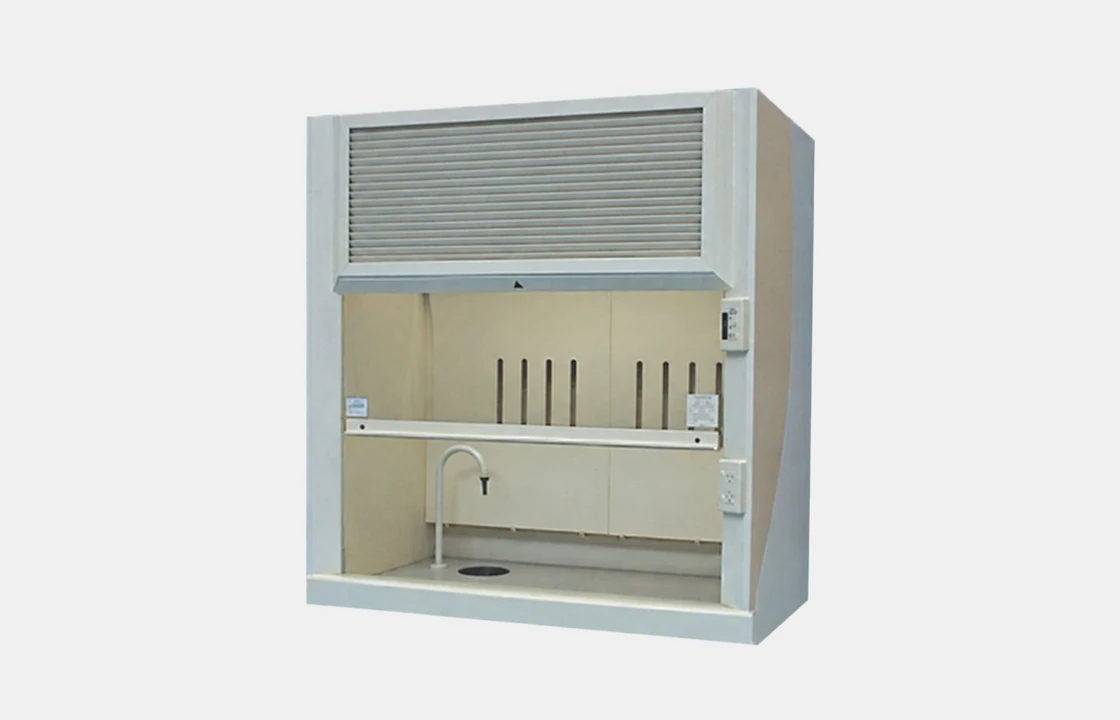
Photographs can help identify the current arrangement, but they cannot establish internal condition or system performance. Ask which matters need a site inspection. If the cupboard is not safe to use, apply your laboratory’s restrictions while the options are assessed.
Make the options reviewable
- Request a repair scope with the problem addressed, exclusions and follow-up checks.
- Request a replacement scope that identifies retained and new components.
- Compare access, preparation, specialist work and handover on the same basis.
- Ask the project team whether building or compliance-schedule changes need addressing.
Base the decision on your asset records and the agreed scope. Avoid assuming that matching an old cabinet’s size establishes the requirements for a new installation.